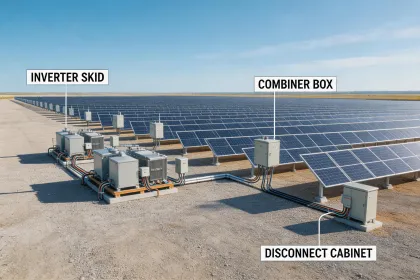
Solar Plant BOS
Disconnects, surge protection, combiner interfaces, monitoring panels, and transformers aligned with high-volume PV generation sites.
Siemens supports renewable applications where electrical interfaces determine project reliability: utility-scale solar plants, commercial rooftops, EV charging depots, hybrid storage sites, wind facilities, and service organizations maintaining distributed assets. Each use case has a different risk profile. A solar combiner cabinet may need DC surge protection and clear fuse access; an EV charging site may need load management and branch circuit coordination; a battery installation may require emergency shutdown logic and monitoring; a wind site may need robust controls and grid interface discipline. Siemens application support helps buyers frame those requirements before final equipment selection.
Disconnects, surge protection, combiner interfaces, monitoring panels, and transformers aligned with high-volume PV generation sites.
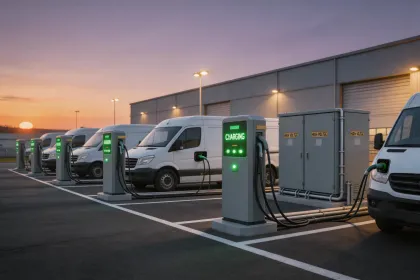
Level 2 and fleet charging infrastructure planned around panel capacity, access control, metering, and staged expansion.
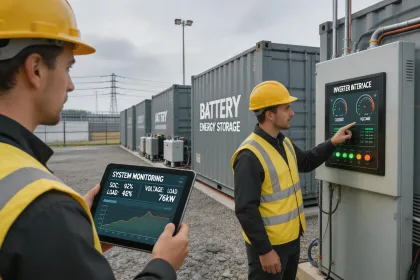
BESS coordination, energy monitors, alarms, and O&M workflows that help operators track state of charge, performance, and safety events.
Project teams often debate whether to centralize string current monitoring at a combiner box or push monitoring to the string level. Each approach has documented trade-offs in fault detection, capex, and field labor. We present both to keep the BOS decision transparent.
Lower per-string cost, fewer cable terminations, simpler commissioning. Adequate when string-level fault diagnosis is not a contractual requirement. Common on utility-scale arrays where SCADA already provides system-level visibility.
Faster fault localization, smaller production loss windows, better data for warranty claims. Costs more in hardware and wiring labor but pays back when O&M response time is contractually bound. Standard on commercial rooftops and asset-managed portfolios.
Siemens can document combiner ratings, surge protection device coordination, DC disconnect specifications, and rapid-shutdown compliance per NEC 690.12 so the BOS path is defensible in inspection.
Send project details and receive a practical starting point for Siemens renewable infrastructure categories. Useful inputs include the service voltage, expected AC and DC fault current, available panel capacity, site exposure, communications requirements, utility interconnection notes, charger count, battery chemistry, and whether the project needs remote monitoring or on-site O&M handover. With those facts, Siemens can help the buyer decide whether the first review should focus on protection, isolation, EV charging distribution, metering, storage coordination, or plant-level controls.
For developers and installers working across several applications, this method also creates consistency. A rooftop solar project, a depot charging upgrade, and a battery retrofit may use different equipment families, but the decision record should still show the same core evidence: rating basis, compliance reference, installation environment, commissioning checklist, and maintenance access. That evidence helps owners compare projects without reducing them to price alone.
Discuss Application Needs